
TL;DR
- Reaching students at younger, earlier levels of education builds familiarity and comfort with technology, which helps both the students and their families understand its value.
- Industry leaders must treat education as a core component of workforce development to establish clear pathways into the field.
- Bridging the talent gap requires using accessible language to address local concerns and clearly demonstrate how digital infrastructure connects to everyday life.
# # #
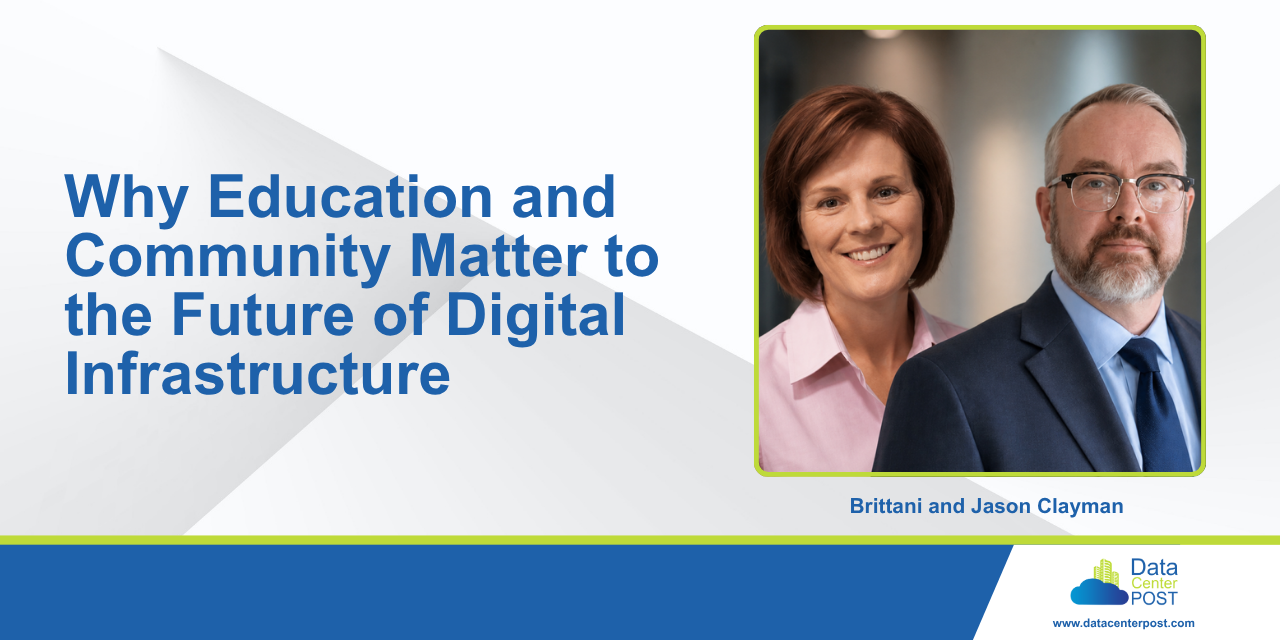
This is reality, not just a mere notion: The future of digital infrastructure depends on more than servers and software; it depends on people, awareness, and the next generation of talent. In a recent Nomad Futurist conversation with co-hosts Nabeel Mahmood and Phillip Koblence, Brittani Clarke Clayman and Jason Clayman made that case with a rare mix of industry insight and classroom perspective.
Brittani, Director of Marketing and Sustainability at ESI Total Fuel Management, has spent her career helping make complex ideas more understandable and relevant to the communities they affect. Jason, an educator and curriculum leader at Dobyns-Bennett High School, sees the same challenge from the classroom: Students cannot pursue careers they have never been exposed to.
Together, they form a powerful voice for early education and real community engagement. Their message is simple: The data center industry cannot rely on technical growth alone. It also has to explain its value, listen to local concerns, and create clear pathways into the field.
This means speaking in plain language, reaching students earlier, and showing families how digital infrastructure connects to everyday life. It also means treating education as part of workforce development, not an afterthought. As Brittani and Jason discuss, awareness starts with conversation, but it only becomes meaningful when it leads to opportunity.
“I could speak at you, but if you’re not understanding what I’m saying, then we’re not communicating,” Brittani said. “I’m just throwing information at you.”
Reaching students early is key, said Jason: “If we do start at the younger and earlier levels of education, just getting them comfortable with it and kind of understanding what it is, not only does it help them, but it helps their families.”
Their story is a reminder that the industry’s next chapter will be shaped not just by innovation, but by trust. For data center leaders, that is both a challenge and an opening.
Read the full conversation here.

