Originally posted on Datalec Ltd.
TL;DR
- AI-driven data center growth is accelerating, but power availability is now the primary constraint, making the right infrastructure partner business-critical.
- Operators want faster paths from secured power to live, AI-ready capacity, with modular, pre-engineered solutions standing out as a way to speed deployment without sacrificing resilience
- High-density AI workloads are reshaping design and operations, increasing demand for advanced cooling, maintainability, and ongoing facilities support.
# # #
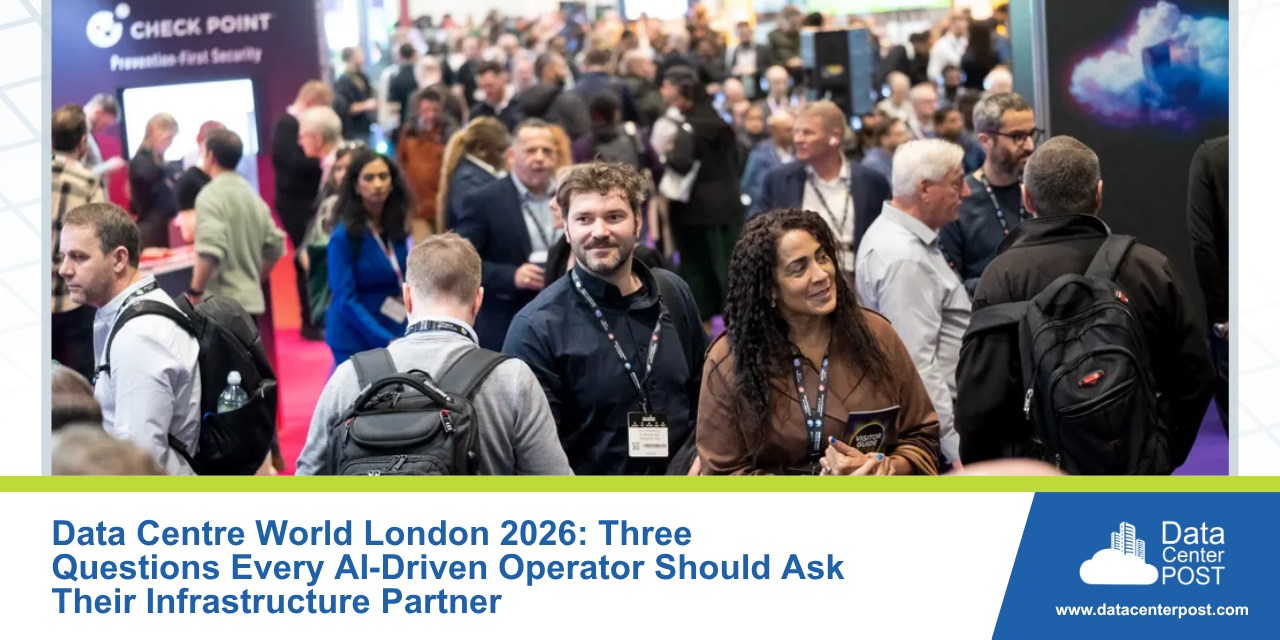
Following Data Centre World (DCW) London 2026, it is clear that rapid AI-driven growth and constrained power availability have made the choice of infrastructure partners a business-critical decision. Operators navigating hyperscale and colocation expansion require partners capable of planning with a power-first approach, deploying quickly, and maintaining reliability in high-density settings. Datalec Precision Installations (DPI) demonstrated these integrated capabilities, addressing consistent global concerns about designing and sustaining AI workloads.
The physical profile of data centres is being reshaped by GPU-rich clusters, which are pushing rack densities past the limits of traditional cooling strategies. To mitigate the rising risk of outages associated with this complexity, successful operations must link density, advanced cooling, and ongoing facilities management into a single, continuous discipline. Furthermore, sustainability and lifecycle value have become central to procurement decisions, requiring operators to balance thermal risks with efficiency and responsible capacity delivery.
These industry pressures will intensify as the market looks ahead to DCW Asia in Singapore. In regions where land is scarce and power is heavily regulated, infrastructure partners will be differentiated by their ability to industrialise repeatable designs while adapting to local grid, climate, and regulatory demands. Ultimately, organizations are seeking long-term partners capable of supporting their evolving sustainability commitments and complex AI workloads over the next decade.
To continue reading, please click here.