TL;DR
- Fixed calendar maintenance is insufficient for modern high-density environments, necessitating condition-based monitoring and predictive strategies to catch early equipment failures.
- Advanced AI workloads and liquid-to-chip cooling introduce complex primary and secondary cooling loops, split responsibilities between stakeholders, and unique maintenance demands.
- Addressing the industry skills gap and integrating installation expertise into full lifecycle facilities management are essential for sustaining reliable operations across remote and evolving sites.
# # #
Written by iMiller Public Relations on behalf of Datalec Precision Installations (DPI).
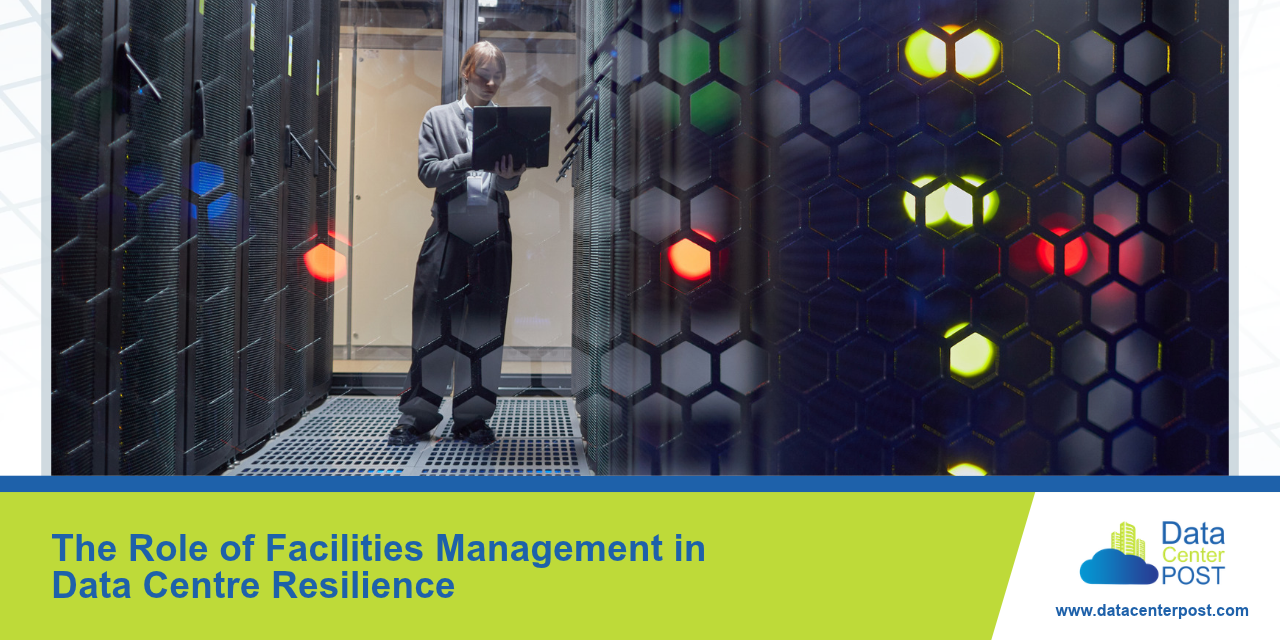
Data center resilience requires effective maintenance, proactive monitoring, and skilled operational teams to maintain reliable performance as power, cooling, and operational requirements evolve. While redundant power and cooling systems provide a necessary foundation, 80% of serious outages stem from management, process, or configuration failures that could have been prevented. Facilities Management plays a key role in aligning technical capacity with ongoing operational performance through documented procedures, skilled personnel, and proactive monitoring.
Higher rack densities and the adoption to liquid-to-chip cooling are also changing maintenance requirements. Liquid cooling creates shared monitoring responsibilities between operators and customers, making condition-based maintenance and predictive monitoring vital for identifying issues early. At the same time, a growing industry skills gap complicates these operations, with nearly two-thirds of operators reporting difficulties in recruiting or retaining qualified candidates to manage advanced mechanical and electrical systems.
Achieving resilience requires a lifecycle approach that considers infrastructure from installation and commissioning through ongoing operations. Decisions around system design, thorough commissioning, and clear documentation directly affect long-term maintainability, particularly as facilities expand into geographically remote areas. Integrating installation expertise with ongoing operational support enables operators to manage evolving risk, maintain equipment health, and maintain continuous delivery across the entire facility lifecycle.
To read the original article, please click here.